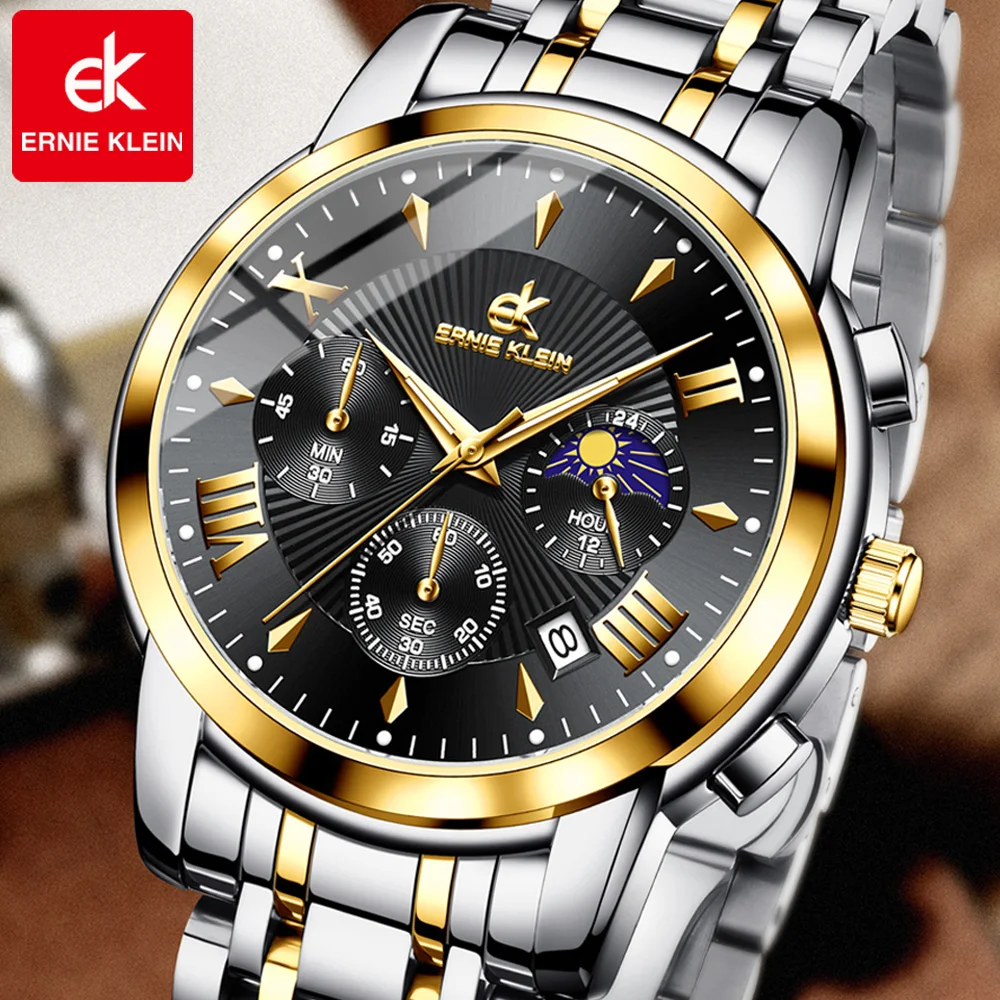
Watches have remained one of the most fascinating and enduring accessories in human history, even as smartphones and digital devices have taken over many traditional timekeeping roles. A watch is no longer just an instrument to tell time; it is a reflection of personality, craftsmanship, heritage, and lifestyle. From classic mechanical pieces passed down through generations to modern smartwatches packed with technology, the watch industry Watches In Faisalabad to evolve while respecting its roots. In today’s digital-first world, wearing a watch represents intention and appreciation for detail. It signals that the wearer values precision, tradition, and self-expression. For many, a watch is the only piece of jewelry worn daily, making it deeply personal. Whether paired with a business suit, casual attire, or athletic wear, a well-chosen watch adds character and confidence, bridging the gap between function and fashion in a way few accessories can.
The history of watches is closely tied to innovation and craftsmanship. Early timepieces were large, fragile, and exclusive to the elite, but advancements in engineering gradually made watches smaller, more accurate, and accessible. Mechanical watches, powered by intricate movements of gears and springs, are still admired for their complexity and artistry. Automatic watches, which wind themselves through the motion of the wearer’s wrist, showcase a perfect blend of engineering and elegance. Quartz watches later revolutionized the industry by offering higher accuracy at a lower cost, making reliable timekeeping available to the masses. Despite this, mechanical watches never lost their charm, as collectors and enthusiasts continue to appreciate the skill and tradition behind them. Each movement tells a story of human ingenuity, patience, and dedication, qualities that resonate strongly in an age dominated by fast, disposable technology.
In recent years, smartwatches have added a new dimension to the concept of wearing a watch. These devices go far beyond telling time, offering fitness tracking, health monitoring, notifications, navigation, and even payment options. For many users, a smartwatch functions as an extension of their smartphone, designed to improve productivity and well-being. Yet, even with all this technology, design remains a crucial factor. Leading brands invest heavily in making smartwatches visually appealing, offering customizable faces, interchangeable straps, and premium materials. This shows that aesthetics still matter as much as functionality. Interestingly, the rise of smartwatches has not diminished interest in traditional watches; instead, it has expanded the market, allowing people to choose different watches for different occasions and purposes.
Choosing the right watch depends on several factors, including lifestyle, budget, and personal taste. A professional working environment may call for a minimalist dress watch with a clean dial and leather strap, while outdoor enthusiasts might prefer a rugged sports watch with water resistance and durability. For those who value versatility, a well-designed everyday watch can transition seamlessly from work to social settings. Materials also play an important role, with stainless steel offering durability, titanium providing lightweight comfort, and ceramic delivering a modern, scratch-resistant finish. The dial layout, size, and color influence both readability and style, making them key considerations. Ultimately, the best watch is one that feels natural on the wrist and aligns with the wearer’s identity, rather than simply following trends.
Watches also hold significant emotional and cultural value. They are often chosen to mark important milestones such as graduations, weddings, anniversaries, or career achievements. A gifted watch can become a lifelong companion, carrying memories and sentimental meaning far beyond its monetary value. In many cultures, watches symbolize responsibility, maturity, and respect for time. Collectors, in particular, view watches as pieces of history, art, and investment. Limited editions and iconic models can appreciate in value, making them attractive to both enthusiasts and investors. However, for most people, the true worth of a watch lies in the connection it creates, reminding the wearer of moments, people, and aspirations associated with it.
As the watch industry moves forward, sustainability and innovation are becoming increasingly important. Brands are exploring eco-friendly materials, ethical sourcing, and long-lasting designs that reduce waste. At the same time, technology continues to influence both traditional and modern watches, from improved movements to hybrid models that combine analog design with smart features. This balance between heritage and progress ensures that watches remain relevant in a rapidly changing world. Whether mechanical, quartz, or smart, watches continue to capture our imagination because they represent more than timekeeping. They embody craftsmanship, identity, and the human desire to measure and make meaning of time itself, securing their place as timeless companions for generations to come.